
A coating job rarely fails because the paint was the wrong color. More often, it fails because rust, old coating, scale, oil, or embedded contamination was still on the surface underneath. Industrial blast cleaning addresses that problem at the source by removing what ordinary washing, scraping, and wire brushing leave behind.
For property owners, equipment operators, restoration clients, and commercial facilities, blasting is not simply about making a surface look cleaner. It is about creating the condition needed for repairs, protective coatings, powder coating, or a fresh finish to perform as intended. Done correctly, it can extend the working life of valuable metalwork, machinery, structural components, and masonry surfaces.
What Industrial Blast Cleaning Does
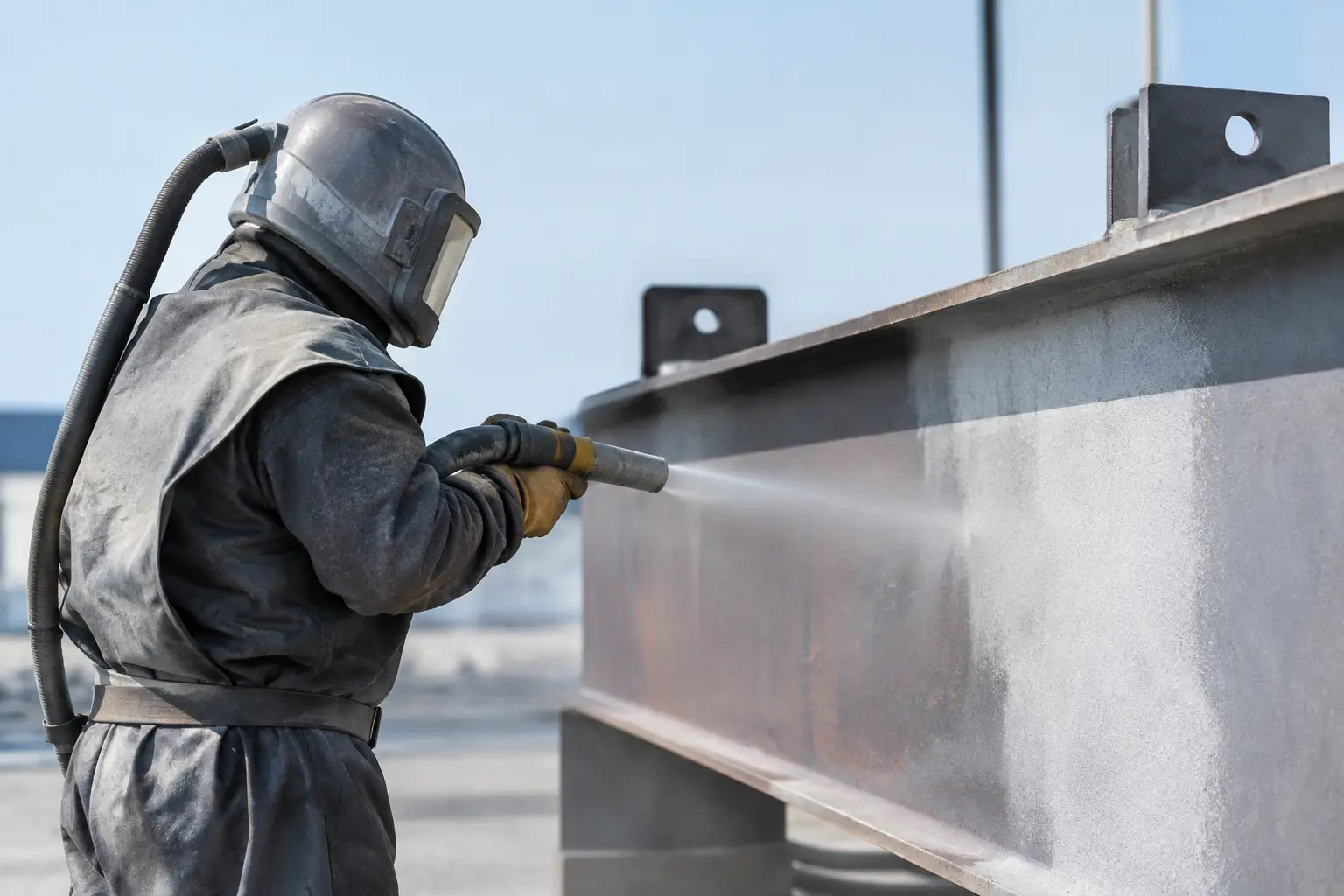
Industrial blast cleaning uses a controlled stream of abrasive media to strip unwanted material from a durable surface. Depending on the project, that material may include corrosion, peeling paint, mill scale, hard buildup, old coatings, or residue left behind by years of service.
The process creates more than a visibly clean surface. Blasting can expose pitting, cracks, failed repairs, thin metal, and other issues that were hidden under corrosion or coating. That gives owners and contractors a more honest view of the asset before they invest in welding, refinishing, sealing, or repainting.
On metal, a properly blasted profile gives a new coating something to grip. On masonry and concrete, the right approach can remove deteriorated coatings and surface contamination without treating the material like steel. The goal is always the same: remove the unwanted layer while preserving the underlying substrate.
Why Surface Preparation Determines Coating Life
Paint and protective coatings need a clean, stable base. If a new finish is applied over loose rust, old paint edges, grease, or powdery residue, it may look acceptable at first. Moisture can then work underneath the coating, causing blistering, peeling, and corrosion to return sooner than expected.
Industrial blast cleaning improves adhesion by removing weak material and creating a consistent surface texture. The ideal profile depends on the coating system. A heavy-duty industrial coating may require a different profile than a finish intended for decorative railings, vehicle parts, or equipment panels. More aggressive blasting is not automatically better. Excessive force or the wrong media can damage softer materials, distort thin metal, or leave an unsuitable profile for the coating being used.
Timing matters after blasting as well. Bare steel can begin to flash rust when exposed to moisture and humidity. Once cleaning is complete, the surface should be inspected and coated or protected promptly. Leaving freshly blasted material outdoors for days can undo part of the preparation work.
Common Projects That Benefit From Blasting
Blasting is often the most efficient choice when manual methods would take too long or cannot produce a dependable result. It is used on both small restoration projects and large commercial assets.
Typical applications include:
- Steel railings, gates, stairs, balconies, and structural components
- Construction, agricultural, and industrial equipment
- Trailers, truck parts, fleet components, and heavy machinery
- Tanks, pipework, fabricated metal, and shop-built parts
- Brick, concrete, and masonry with failed coatings or stubborn buildup
- Restoration pieces such as cast iron furniture, wheels, frames, and metal fixtures
Each project needs its own assessment. A rusted steel trailer may need a thorough abrasive blast before priming. A historic brick wall with old paint requires a more cautious method to avoid unnecessary damage to the masonry. The best process is based on the material, the coating being removed, the target finish, and where the work will take place.
The Right Media Makes a Difference
People often use the term sandblasting for every abrasive blasting service, but industrial blast cleaning can involve many different media types. The choice affects cleaning speed, surface profile, dust levels, and the risk of damage.
Angular abrasives are commonly used where corrosion, mill scale, or heavy coatings need to be removed from steel. They cut effectively and create a profile that helps industrial primers and coatings adhere. Glass media and other finer abrasives may be suitable for cleaning parts where a less aggressive finish is needed. Soda blasting can be useful for certain sensitive cleaning applications, although it may not create the anchor profile required for every coating system.
Media selection should never be an afterthought. The wrong abrasive can embed residue, remove too much material, or produce a finish that does not match the next step. A professional blasting contractor considers the substrate first, then the required result.
Containment, Cleanup, and Site Conditions
Abrasive blasting is powerful work, and it needs to be managed carefully. Dust, removed coatings, abrasive media, and debris can affect surrounding vehicles, landscaping, neighboring properties, and active work areas if containment is not planned properly.
For some projects, blasting can be completed in a controlled shop setting. For others, mobile service and site containment are more practical. The right option depends on the size of the item, access to the location, weather, nearby surfaces, and the type of coating being removed.
Older coatings deserve extra caution. Some may contain hazardous materials, and disposal requirements can vary by material and location. A responsible project begins with understanding what is on the surface, not simply choosing the fastest method of removal. Proper personal protective equipment, ventilation, containment, and cleanup are part of doing the job professionally.
When Blast Cleaning Is Not the Best First Step
Blasting is highly effective, but it is not the answer to every surface problem. Thin sheet metal can warp if it is blasted too aggressively or exposed to heat buildup. Delicate decorative pieces may need a gentler media, reduced pressure, or a different cleaning method altogether. Surfaces contaminated with oil may require degreasing before blasting so contaminants are not driven further into pits and seams.
There are also situations where localized repair is more sensible than full stripping. If a coating is sound across most of a large structure and failure is limited to a small area, spot preparation and repair may be more cost-effective. The decision depends on the condition of the existing finish, the expected service environment, and how long the new coating needs to last.
A clear assessment prevents overwork and helps set a realistic budget. It also avoids the common mistake of treating blasting as the final step rather than the foundation for the work that follows.
How to Prepare for an Industrial Blast Cleaning Project
Before requesting an estimate, identify what needs to be cleaned, where it is located, and what you plan to do afterward. Photos are useful, especially when they show the overall item, close-ups of corrosion or coating failure, access points, and nearby surfaces that need protection.
It also helps to know whether the asset will be painted, powder coated, repaired, sold, or returned to service. That information guides the level of cleaning and surface profile needed. If a coating specification is available, share it before blasting begins. The preparation standard should support the product that will be applied next.
Remove loose accessories when possible and clear the work area of vehicles, tools, and items that could be affected by dust. For mobile projects, access, power availability, weather exposure, and space for containment may influence scheduling. Good preparation before the crew arrives keeps the job moving and reduces avoidable delays.
A Clean Start for Restoration and Protection
At Gorilla Sandblasting, the focus is on giving durable surfaces a clean, workable starting point. Whether the project involves equipment, steelwork, masonry, or a restoration item, the objective is not just to remove old material. It is to prepare the surface for what comes next.
If rust is spreading, paint is lifting, or a surface needs a finish that will hold up under real use, the right blasting plan can save time later. Start with the substrate, the condition of the existing coating, and the result you need after cleaning. That is where a better restoration or coating job begins.